
Between the Brushstrokes: The Paradox of Renoir and Love
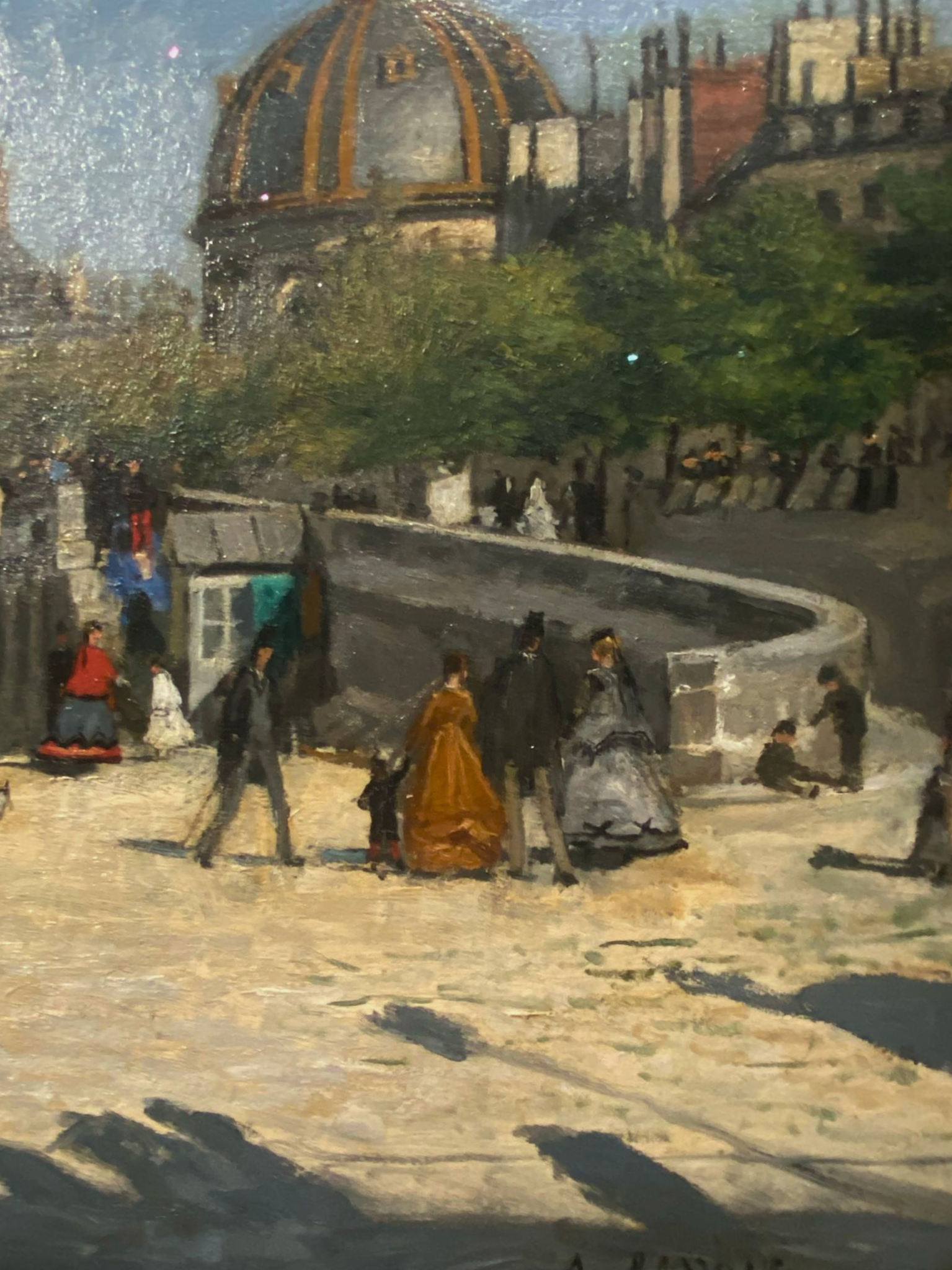
One of the most enduring questions facing art historians and enthusiasts alike is deceptively simple: how much does one need to know about an artist’s biography to truly appreciate their work? This question lies at the heart of the Musée d’Orsay’s latest exhibition, Renoir and Love, which brings together more than 45 works exploring Renoir’s enduring fascination with intimacy—through scenes of dances, luncheons, courtship and childhood that have captivated audiences for over a century.
Less widely acknowledged, however, are Renoir’s own complex entanglements with love. He maintained several mistresses, fathered three illegitimate children—one of whom he abandoned—and only married his favored model, Aline Charigot, after two decades together. The couple raised three sons, including the future avant-garde filmmaker Jean Renoir, in an environment populated by the artist’s models and muses, whom he continued to paint until his death at the age of 76.
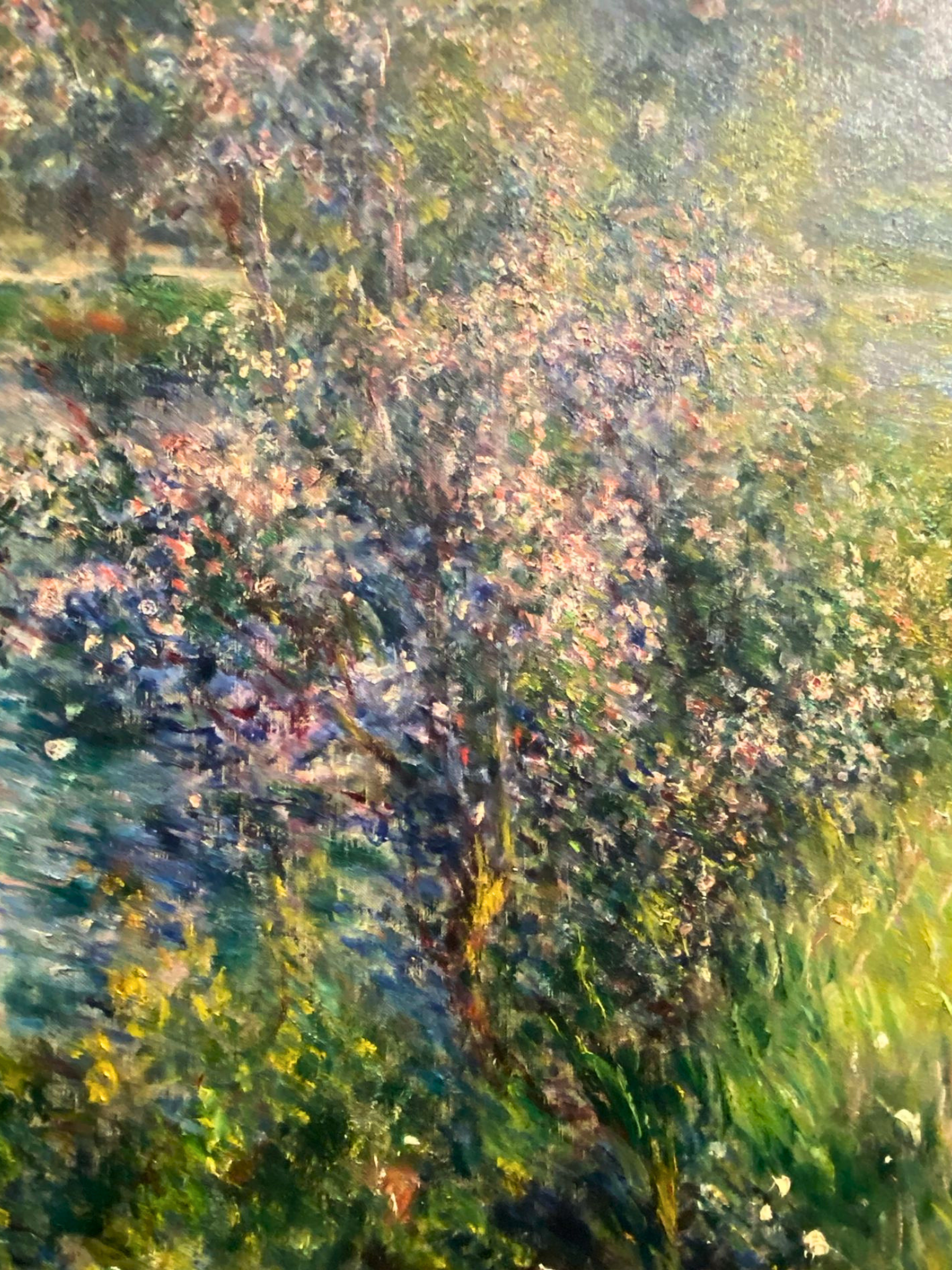
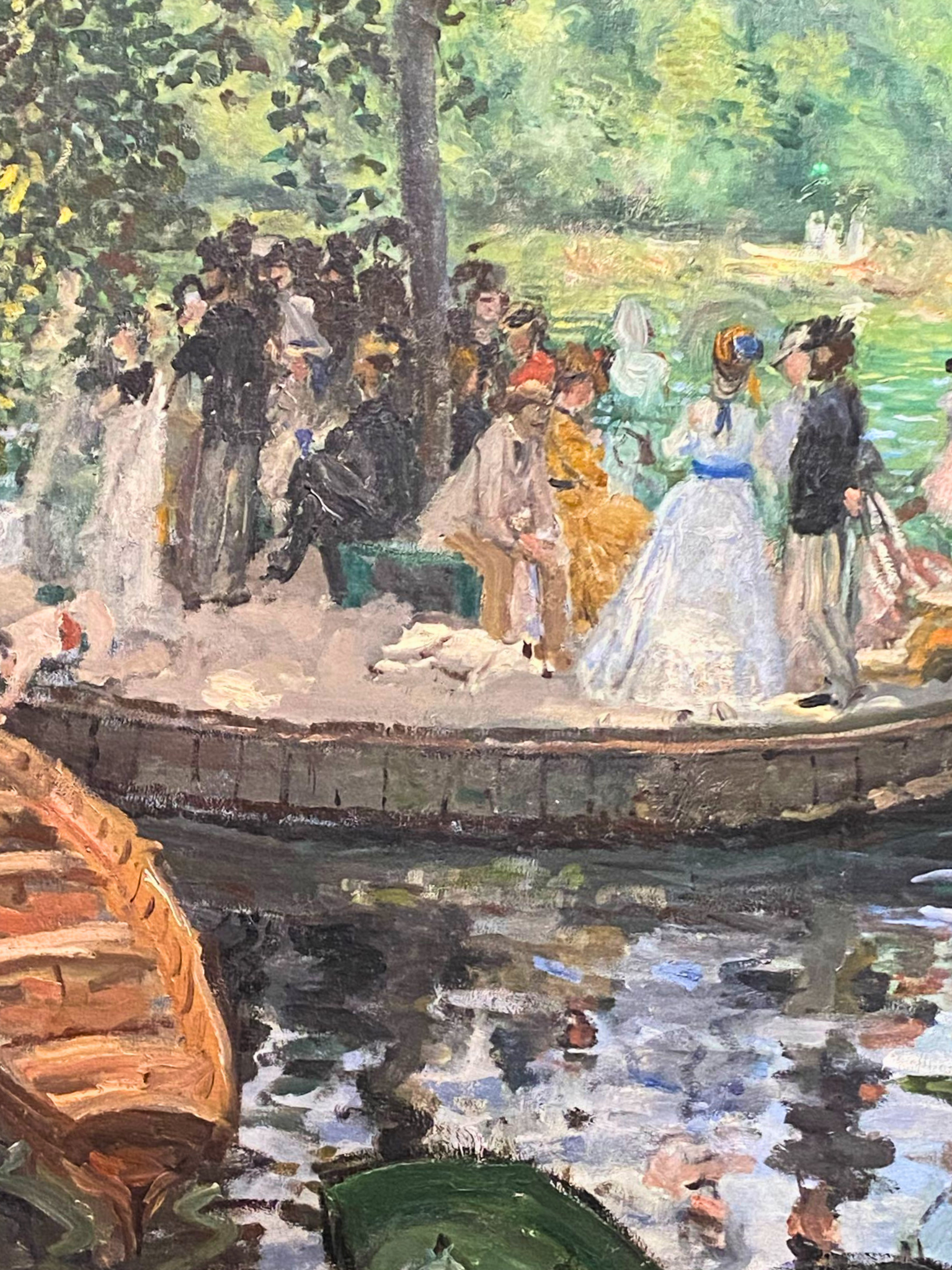
Renoir’s exploration of love was deeply intertwined with his artistic evolution. Following an apprenticeship as a porcelain painter, he adopted a bohemian lifestyle alongside fellow students Claude Monet, Frédéric Bazille, and, briefly, Camille Pissarro, all striving for recognition. While initially honing his technique in landscape painting—often working en plein air beside Monet, as seen in La Grenouillère (1869) and The Swing (1876)—Renoir soon shifted his focus decisively toward the human figure. He translated sensitivity to light into the realm of portraiture and social scenes, using vibrant, flickering brushstrokes to animate flesh and fabric alike.
Two of his most celebrated masterpieces—Dance at the Moulin de la Galette (1876) and Luncheon of the Boating Party (1880–1881), the latter on loan from The Phillips Collection in Washington—are presented together here, offering a rare opportunity to experience their dialogue. Both are complemented by innovative interpretive materials that illuminate the identities of the sitters and the social fabric of Renoir’s world.

Renoir's 'Dance at the Moulin de la Galette' (1876) - Musée d’Orsay
While the exhibition traces the arc of Renoir’s career, it is the accompanying presentation of 100 drawings that proves particularly revelatory. These works underscore his sustained engagement with the female form and portraiture, revealing a discipline of line and shadow that contrasts markedly with the exuberant brushwork of his paintings. For those who believe they already understand Renoir, this juxtaposition offers a compelling reconsideration.
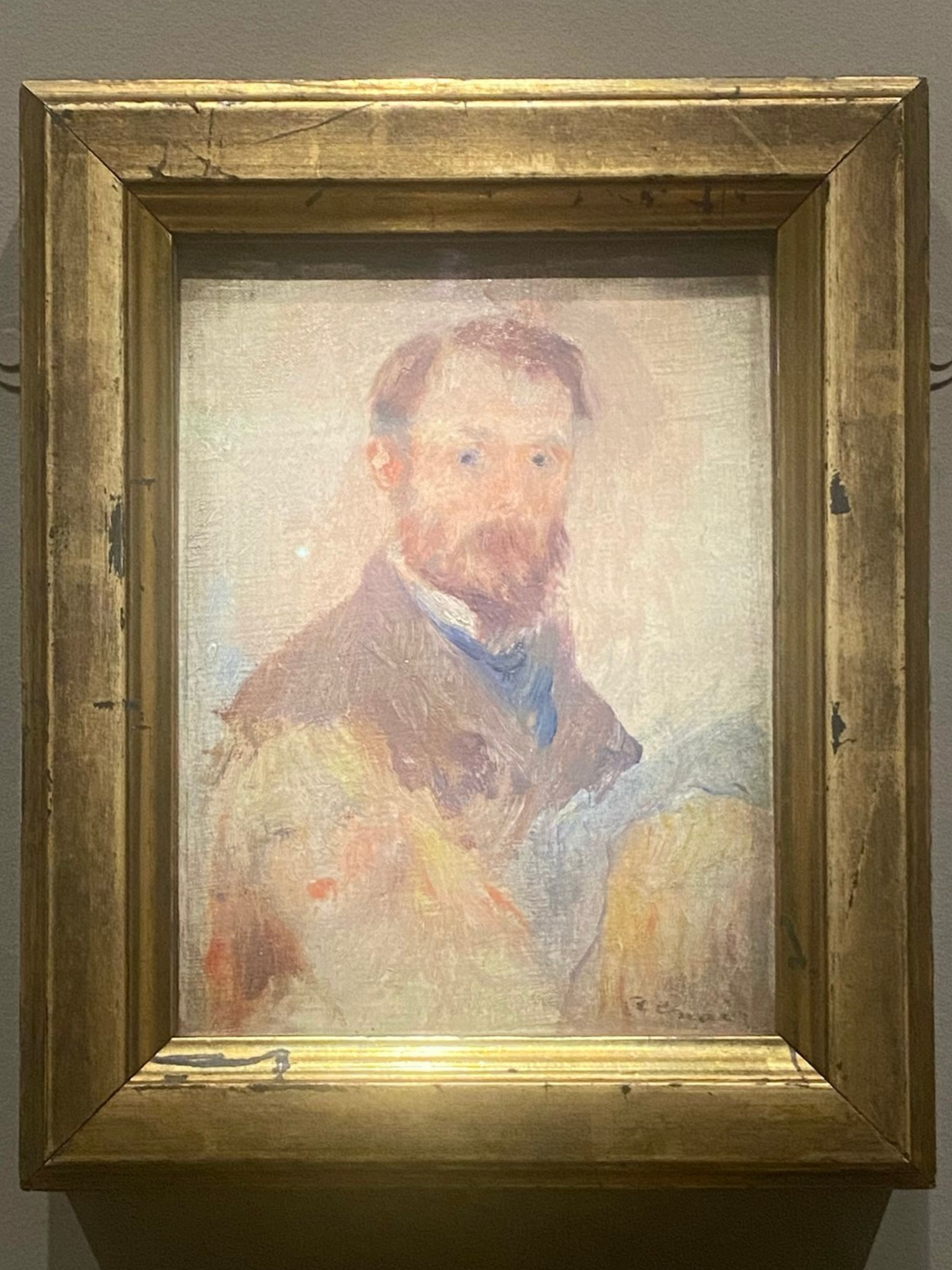
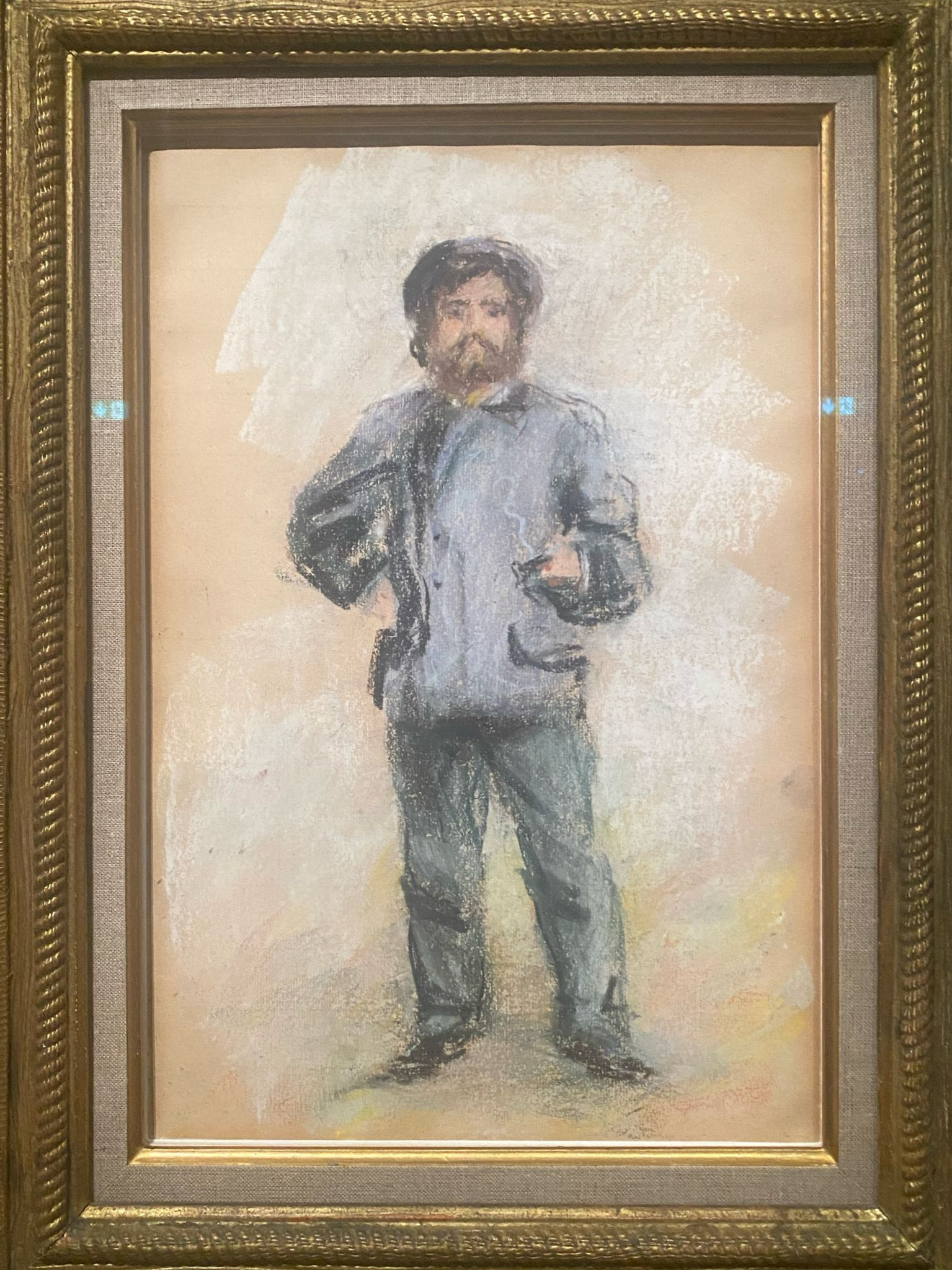
And what of love itself? The curators organize the exhibition thematically—courtship, dining, dancing and conversation—each serving as a lens through which to examine modern life and its evolving social codes. Renoir probes the nuances of human interaction, where intimacy is conveyed through gesture, glance, and proximity, even as his own life seemed to disregard such conventions. His collectors, it appears, were attuned to this tension, appreciating the subtle, and at times subversive, commentary embedded within his luminous surfaces.
Ultimately, it is in his portraits of family—particularly those featuring the governess Gabrielle Renard—that Renoir’s most authentic emotional investments come into focus. Here, beyond the spectacle of modern life, we glimpse a quieter, more enduring expression of attachment.