
Paris 1925 to 2025: How Travel Shaped the Art Deco Movement
Discover how the 1925 Paris Exposition and the rise of 1920s luxury travel—from trains to ocean liners—inspired the Art Deco design movement.
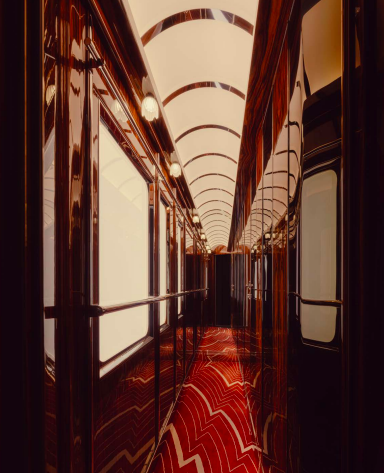
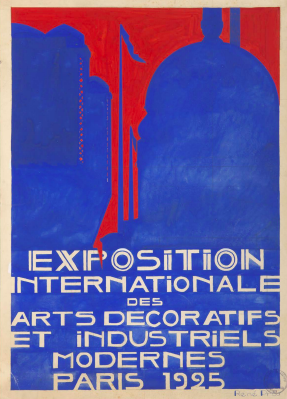
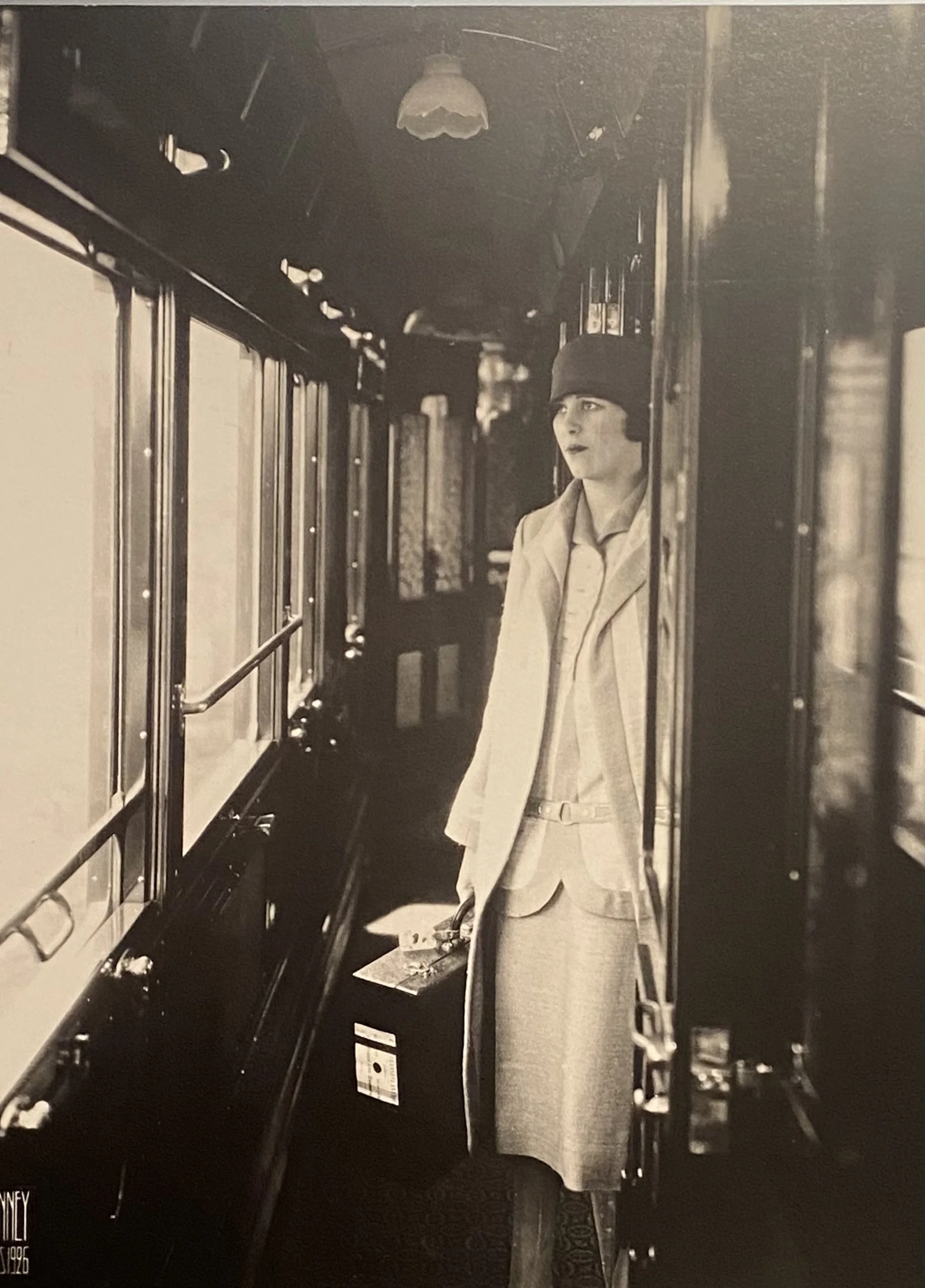
At the Musée des Arts Décoratifs (MAD), a vertical reproduction of the Orient Express marks the entrance of the current exhibition 1925–2025: One Hundred Years of Art Deco. A series of life-size cabin installations hint at what lies ahead: in 2027, a new Orient Express will once again traverse Europe. The fact that travel is at the heart of this spectacular retrospective—commemorating the 1925 Exposition Internationale des Arts Décoratifs et Industriels Modernes in Paris—speaks to the vital role global mobility played in shaping the Art Deco movement.
Characterized by sleek lines, stylized ornamentation, and an embrace of both craftsmanship and technology, the Art Deco style is defined by geometric precision, luxurious materials, bold symmetry, and a confident celebration of modernity. While numerous cultural forces influenced the development of Art Deco, one element proved especially decisive: the travel revolution of the 1920s.
Modern Travel as a Catalyst for Modern Design
The early twentieth century witnessed major advancements in mobility. Streamlined steamships, glamorous long-distance trains, and the first commercial air routes reshaped global movement. These innovations didn’t just make travel more accessible to the elite—they introduced a new visual language that designers quickly embraced.
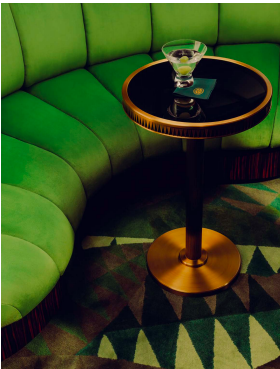
Aerodynamic curves, polished surfaces, and rhythmic lines began to appear in architecture and the decorative arts. Interiors featured lacquer panels, mirrored walls, polished woods, etched glass, and textiles with bold geometric motifs—echoing the elegance of modern transport.
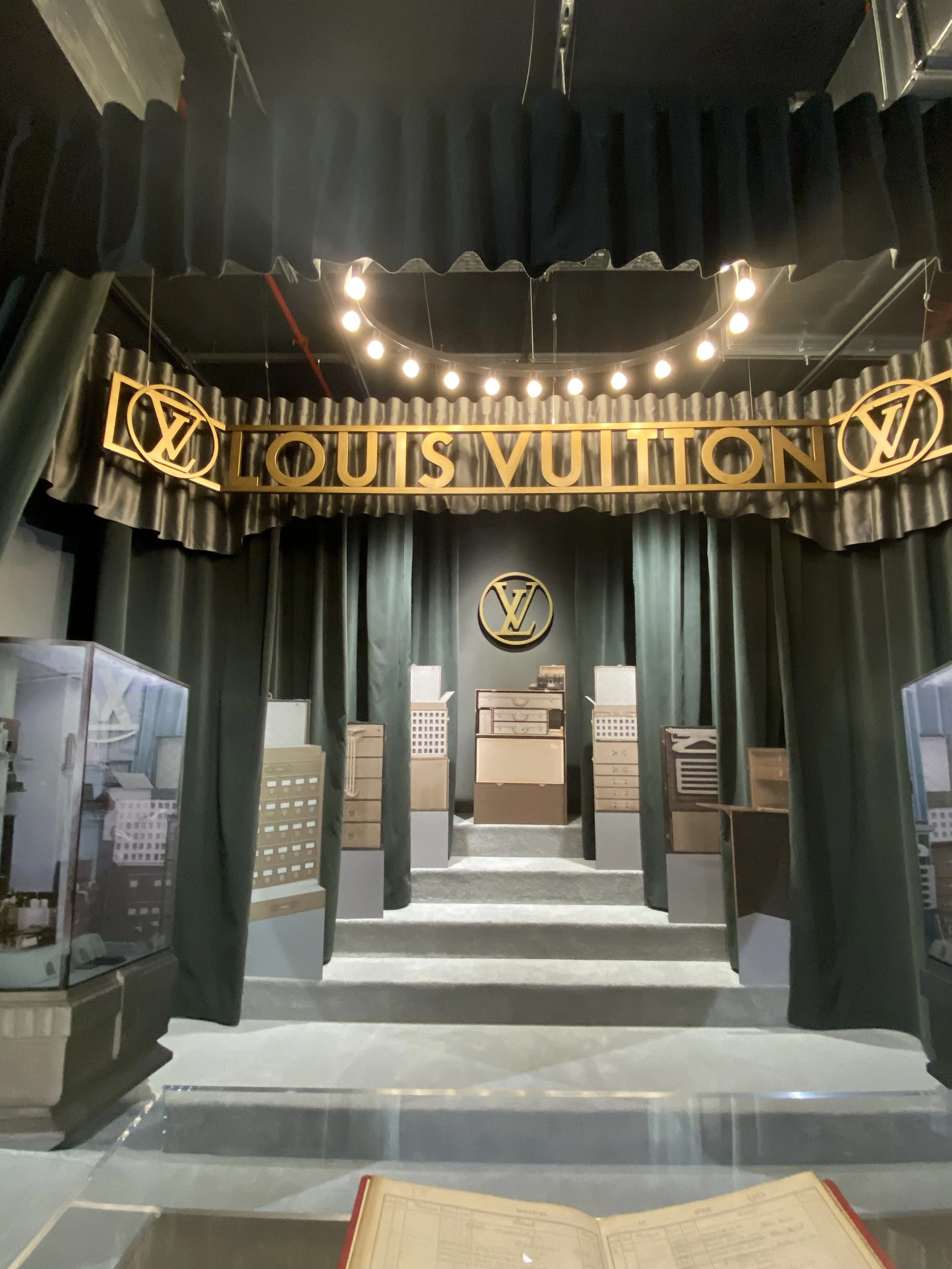
Louis Vuitton and the Art of Travel
(LV Dream - December 2025 to March 2025)
While the MAD exhibition highlights three leading figures—Jacques-Émile Ruhlmann, Eileen Gray, and Jean-Michel Frank—each representing a unique facet of Art Deco, it is in a smaller satellite exhibition sponsored by Louis Vuitton that the connection between travel and design becomes most tangible.
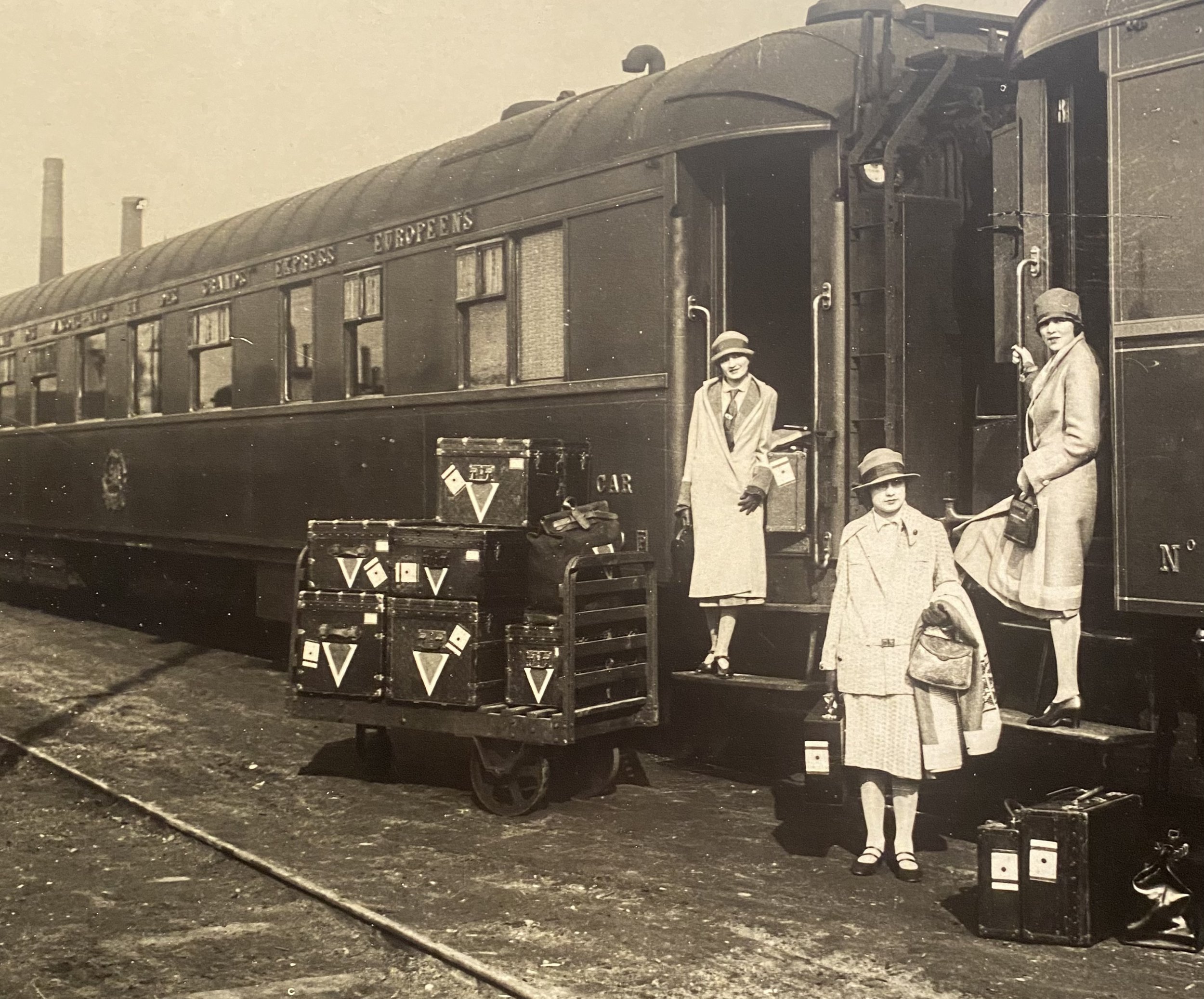
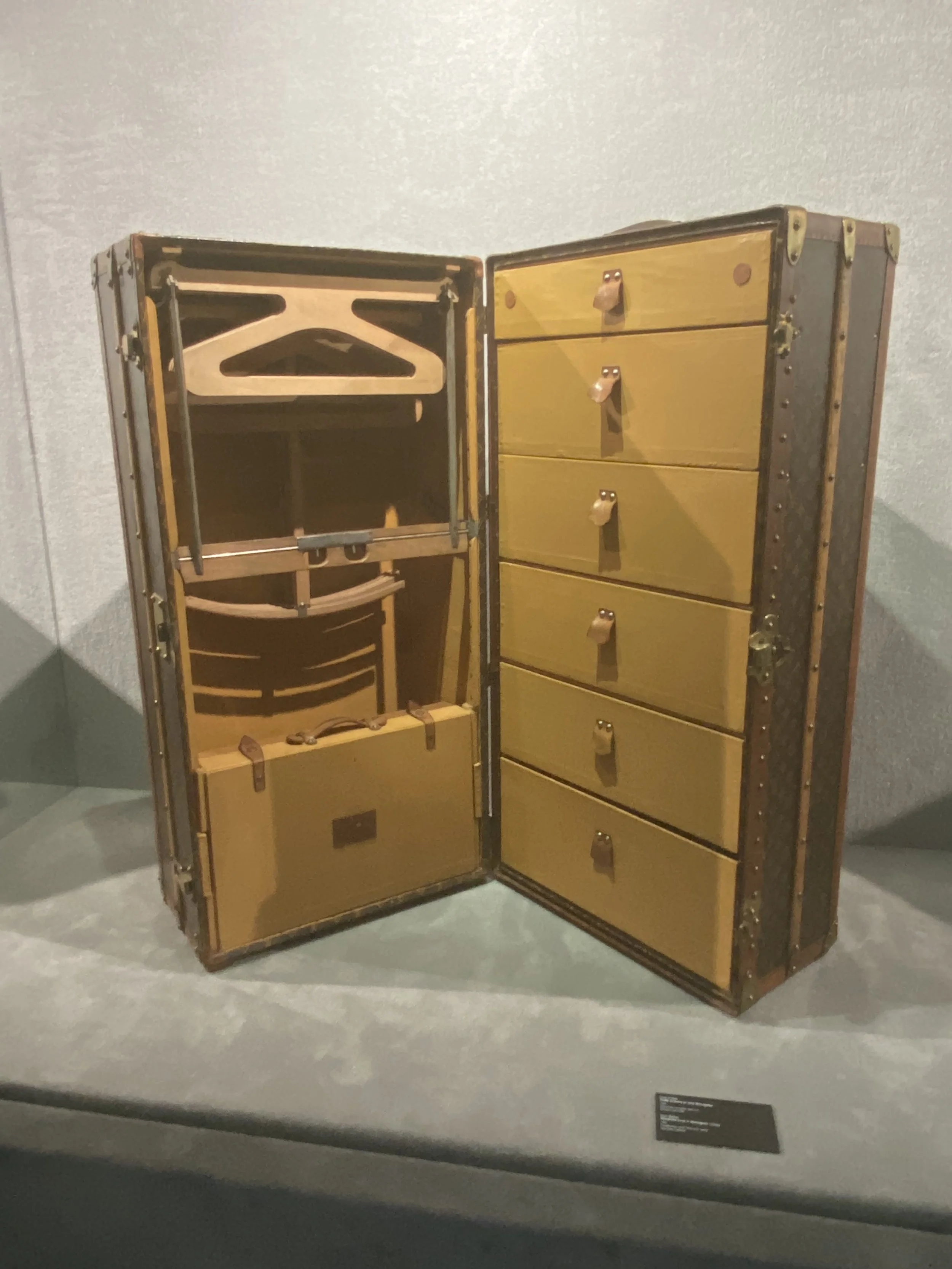
Under the leadership of Gaston-Louis Vuitton (1883–1970)—a defining figure of the company’s third generation of trunk-makers—the House revolutionized travel gear by fusing applied arts with industrial design. He created wardrobe trunks and desk trunks that could be opened in clients’ cabins, and introduced auto trunks to accompany the rise of the automobile. These innovations reflected a new lifestyle devoted to the art of travel.
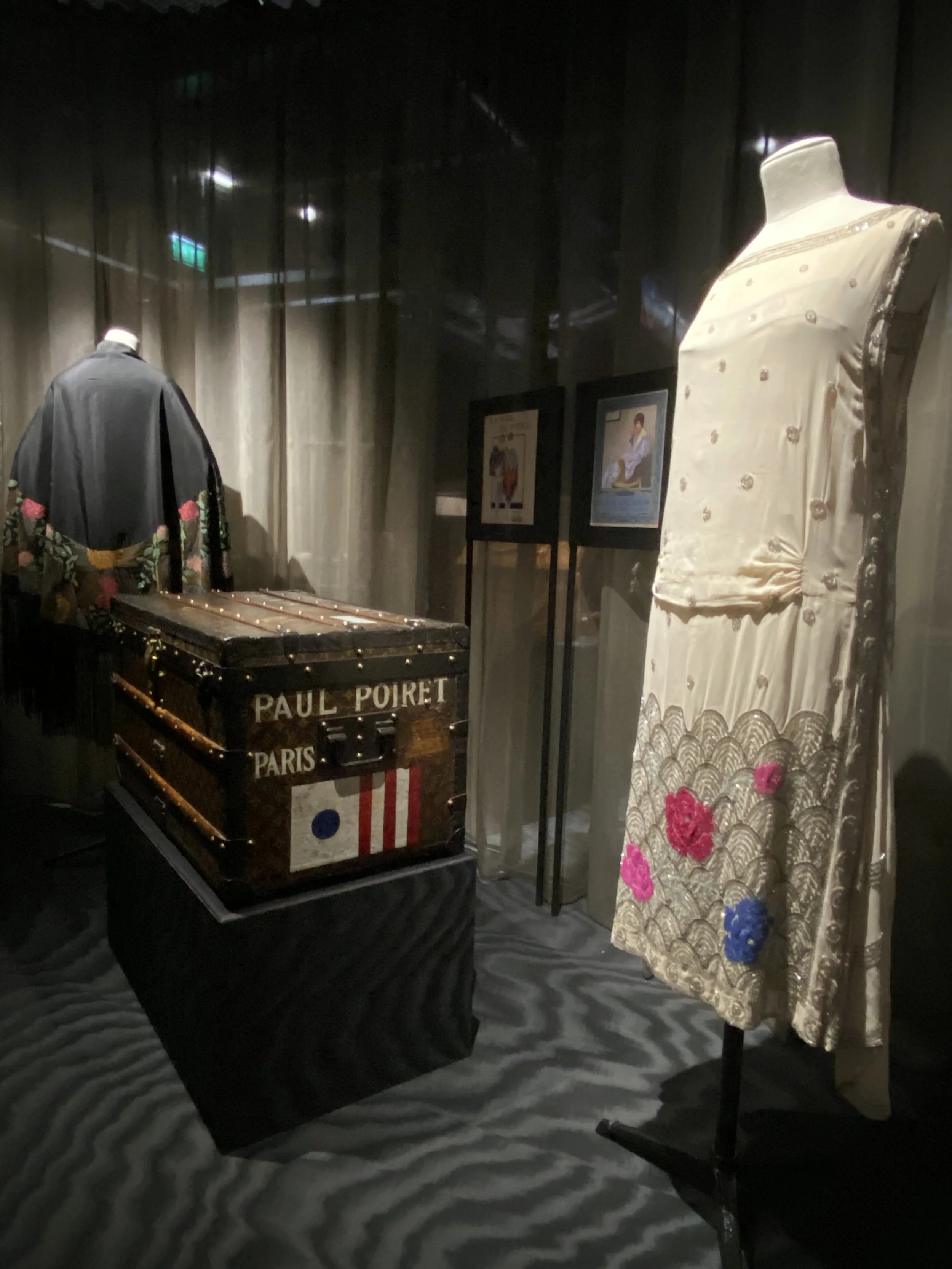
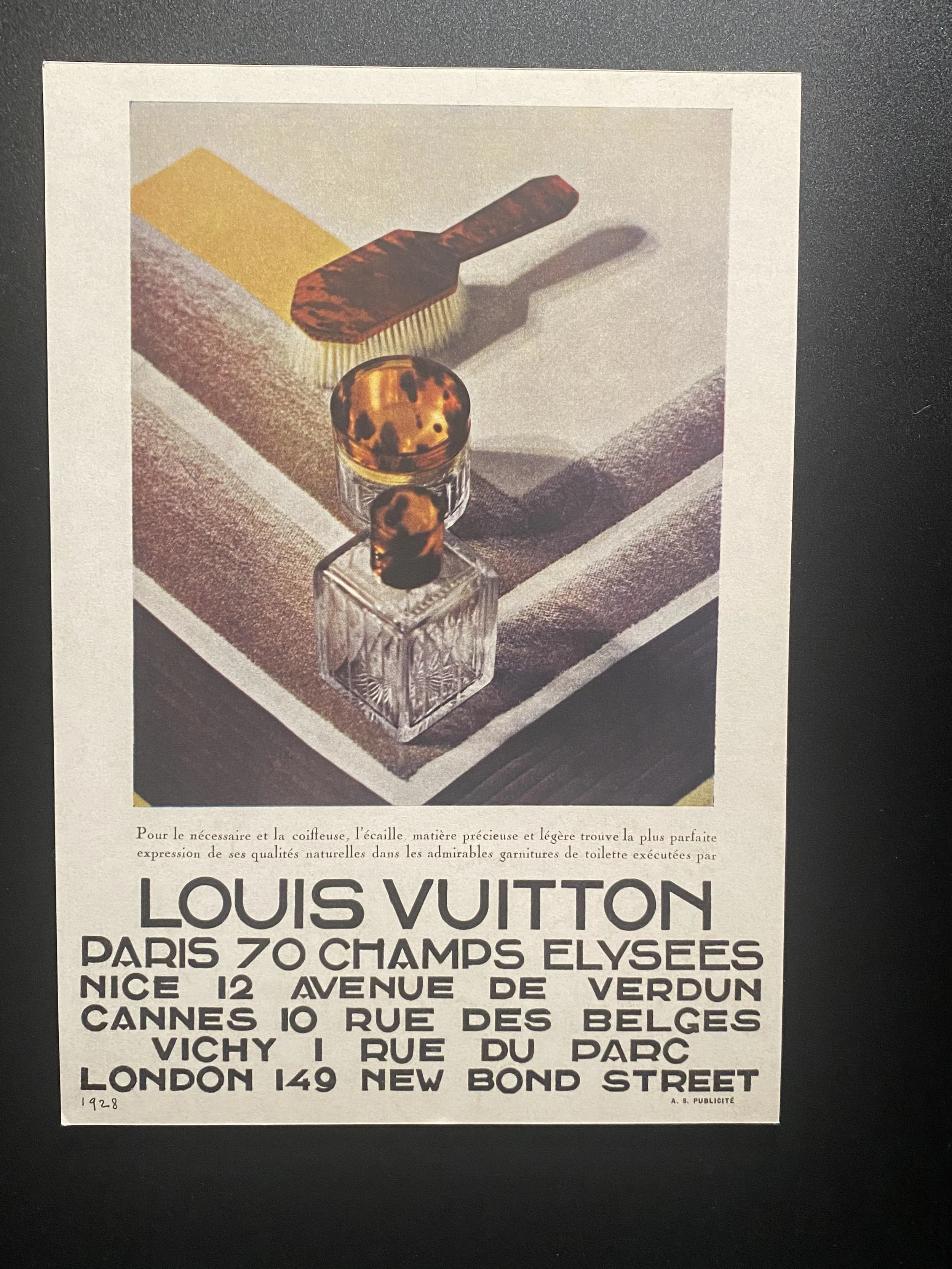
Soon, travelers became tastemakers, flaunting the latest fashions by designers like Paul Poiret (whose work is also on view at the Musée des Arts Décoratifs), and using beautifully designed toiletry cases stocked with luxury grooming tools—brushes, mirrors, and makeup sets—crafted for elegant journeys.


A Lasting Influence on Luxury Travel
A century later, Art Deco continues to shape the aesthetics of high-end travel. Restored heritage trains, ocean-inspired boutique hotels, and contemporary vessels with sleek, symmetrical lines all draw on the style’s enduring legacy. Art Deco endures because it encapsulates the romance of travel at its most inspiring—cosmopolitan, adventurous, and beautifully in tune with the possibilities of the modern world.