
Weaving, Embroidering, Embellishing: the Crafts and Trades of Fashion
“Florals? For spring? Groundbreaking.”
Miranda Priestly’s iconic line from The Devil Wears Prada may be sharp satire, but a spectacular new exhibition at the Palais Galliera proves that fashion’s obsession with flowers is anything but cliché. To look at a flower and see only a “print” is to overlook centuries of craftsmanship and storytelling woven into fashion itself.
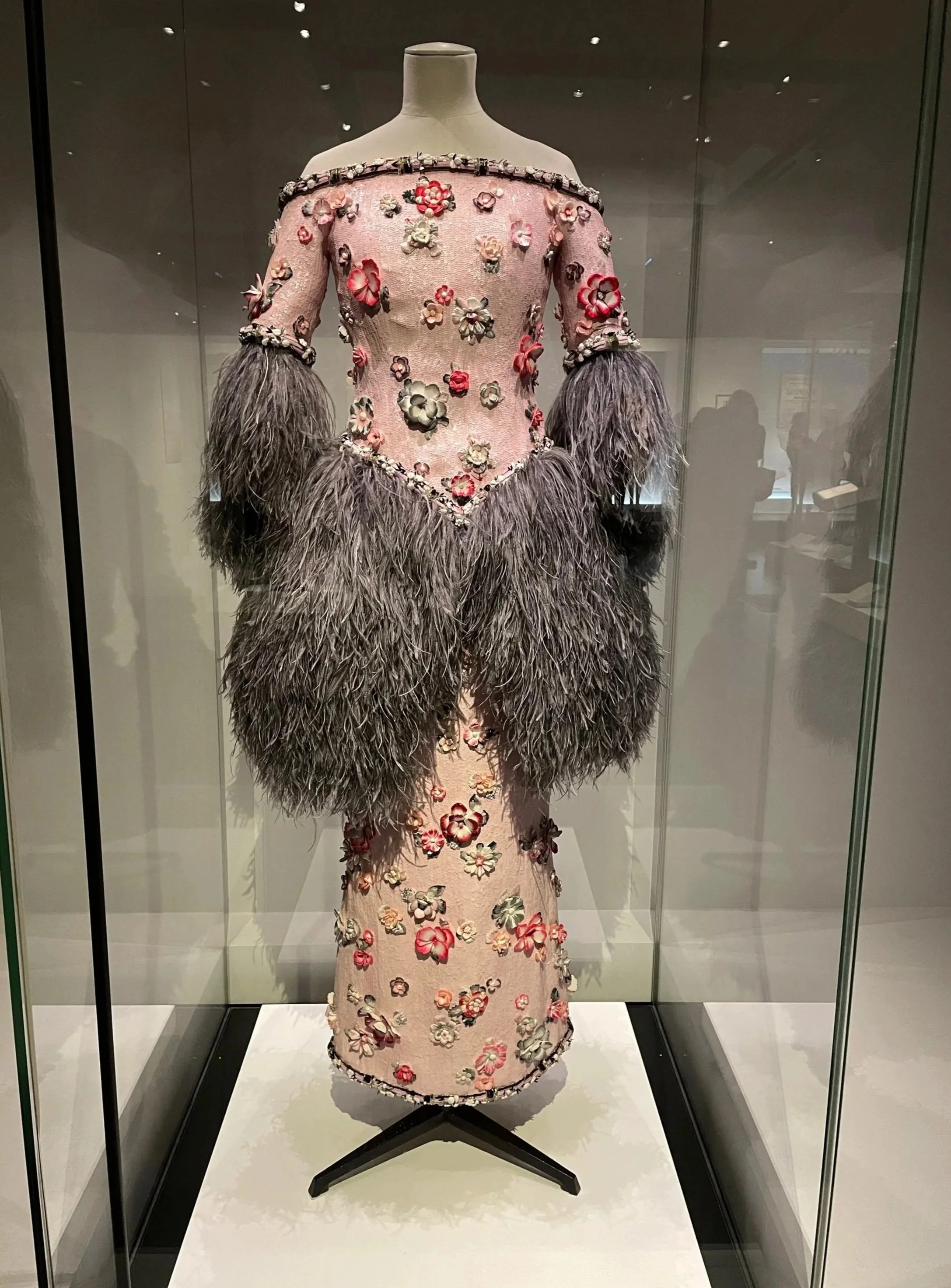
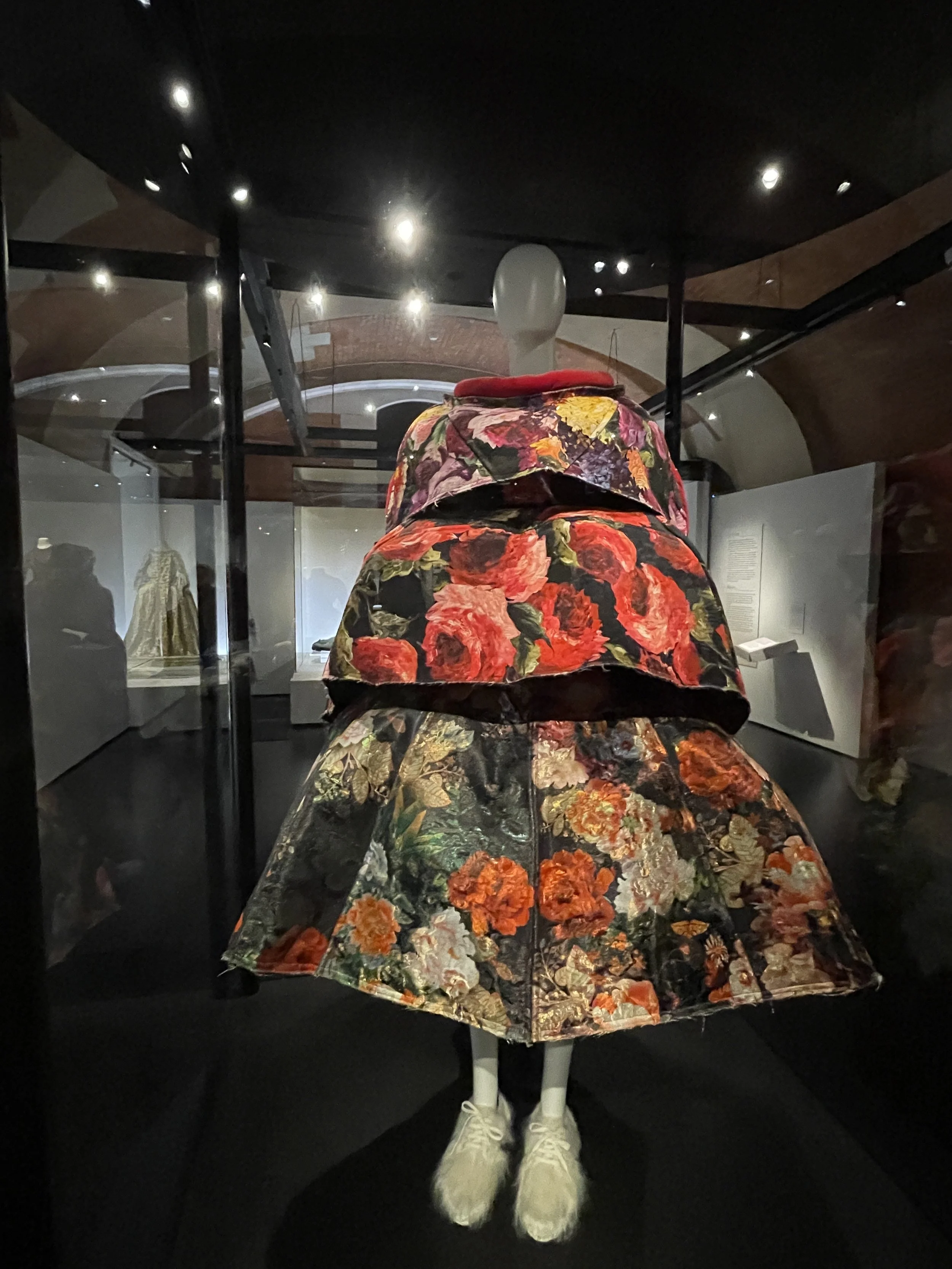
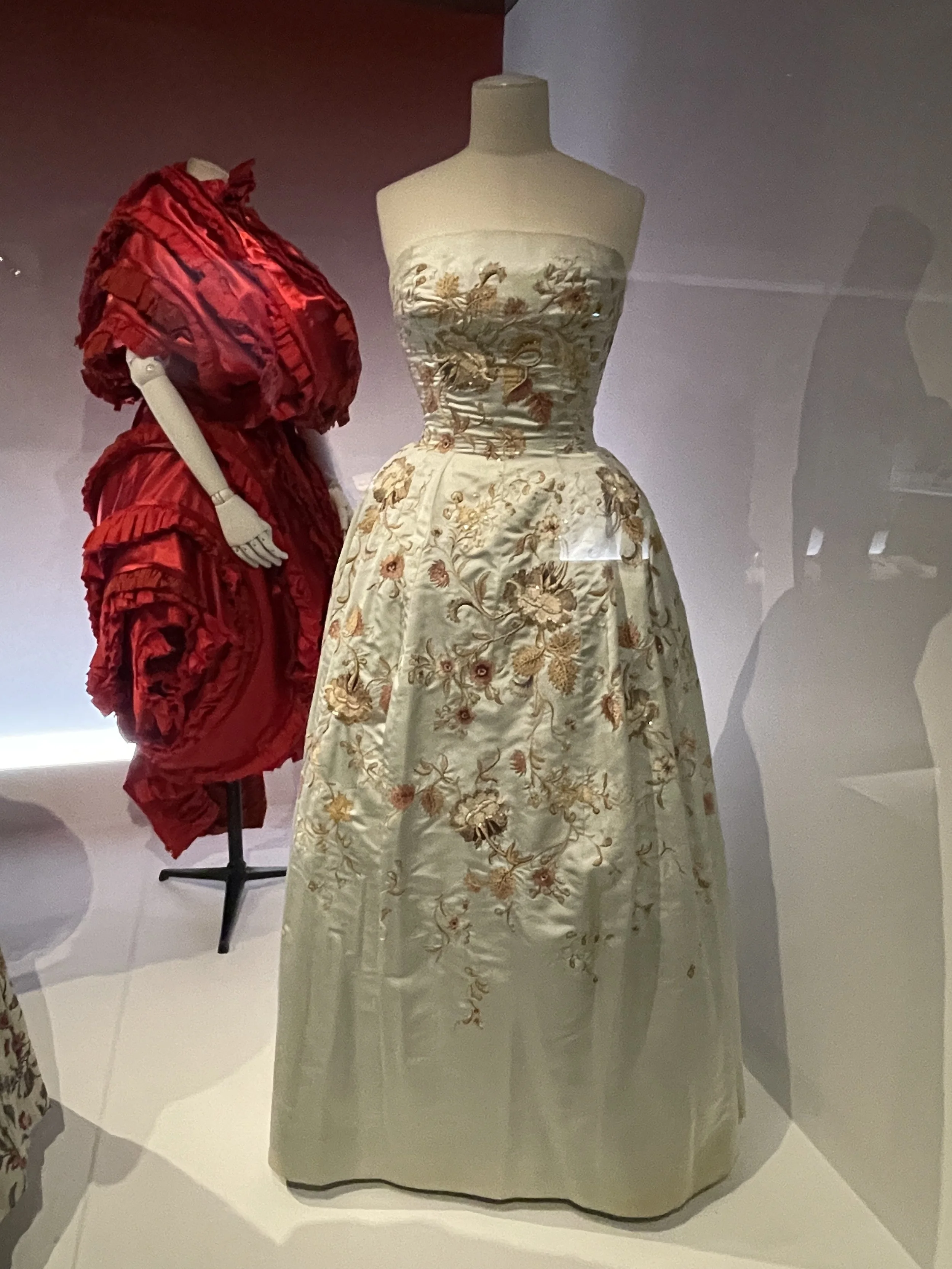
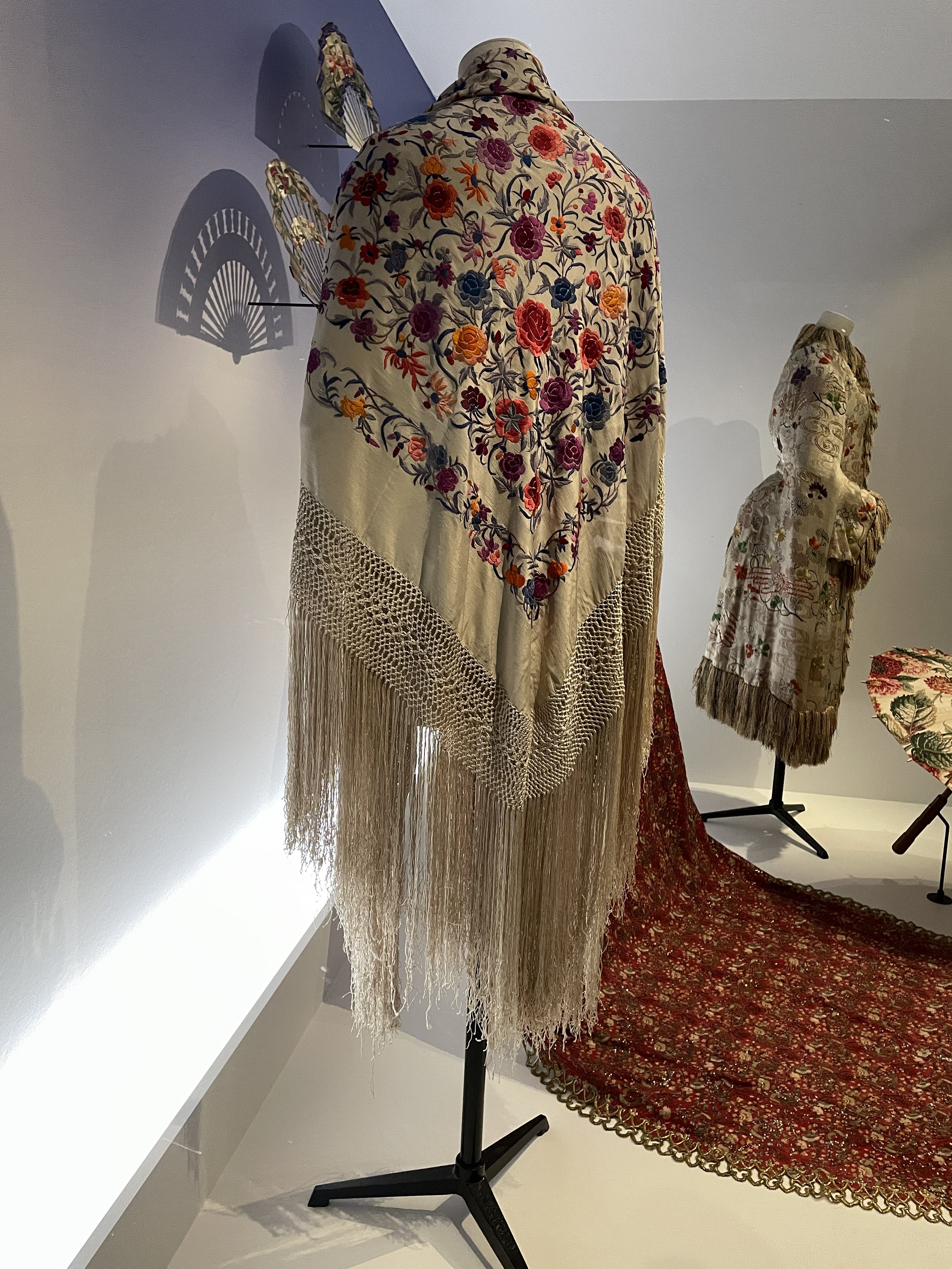
At first glance, the link between the fleeting beauty of a garden and the structured world of fashion may seem fragile. Yet this exhibition—tracing fashion design from the eighteenth century to today—suggests otherwise. Drawing on the museum’s exceptional collections, the new director, Émile Hamelin, and the curatorial team, have selected 350 garments and accessories to explore how weaving, printing, embroidery, lace-making, and artificial flowers elevate textiles into haute couture.
From the delicate floral embroideries of eighteenth-century waistcoats to the sharp, almost clinical precision of contemporary laser printing, the botanical world has long shaped how we express elegance. But the real magic of this floral obsession doesn’t live in designers’ sketches alone. It lives in the hands of artisans—master feather makers like LeMarié, for example, who have worked in the same neighborhood in Paris for over a century, creating feather florals that bring hats, accessories and dresses to life.
While couture gowns may steal the spotlight, the exhibition thoughtfully shifts attention away from the runway and toward the often-overlooked masters of textile craft. Embroiderers, feather workers, and floral makers from legendary houses such as Lesage and Hurel reveal the depth of their unique savoir-faire. Working with raw materials—silk, beads lace—they transform the simplest elements into extraordinary works of art through patient, precise techniques.
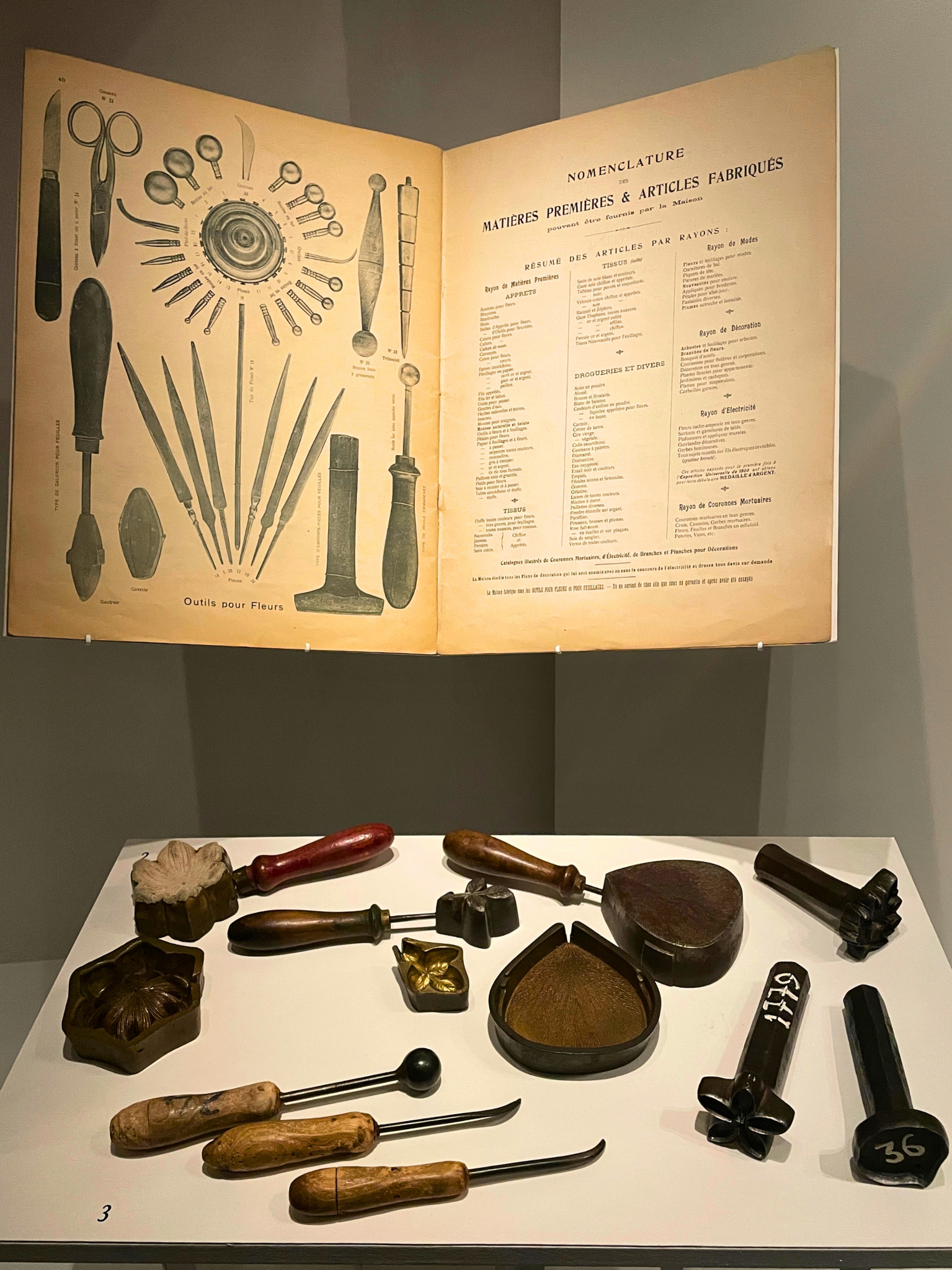
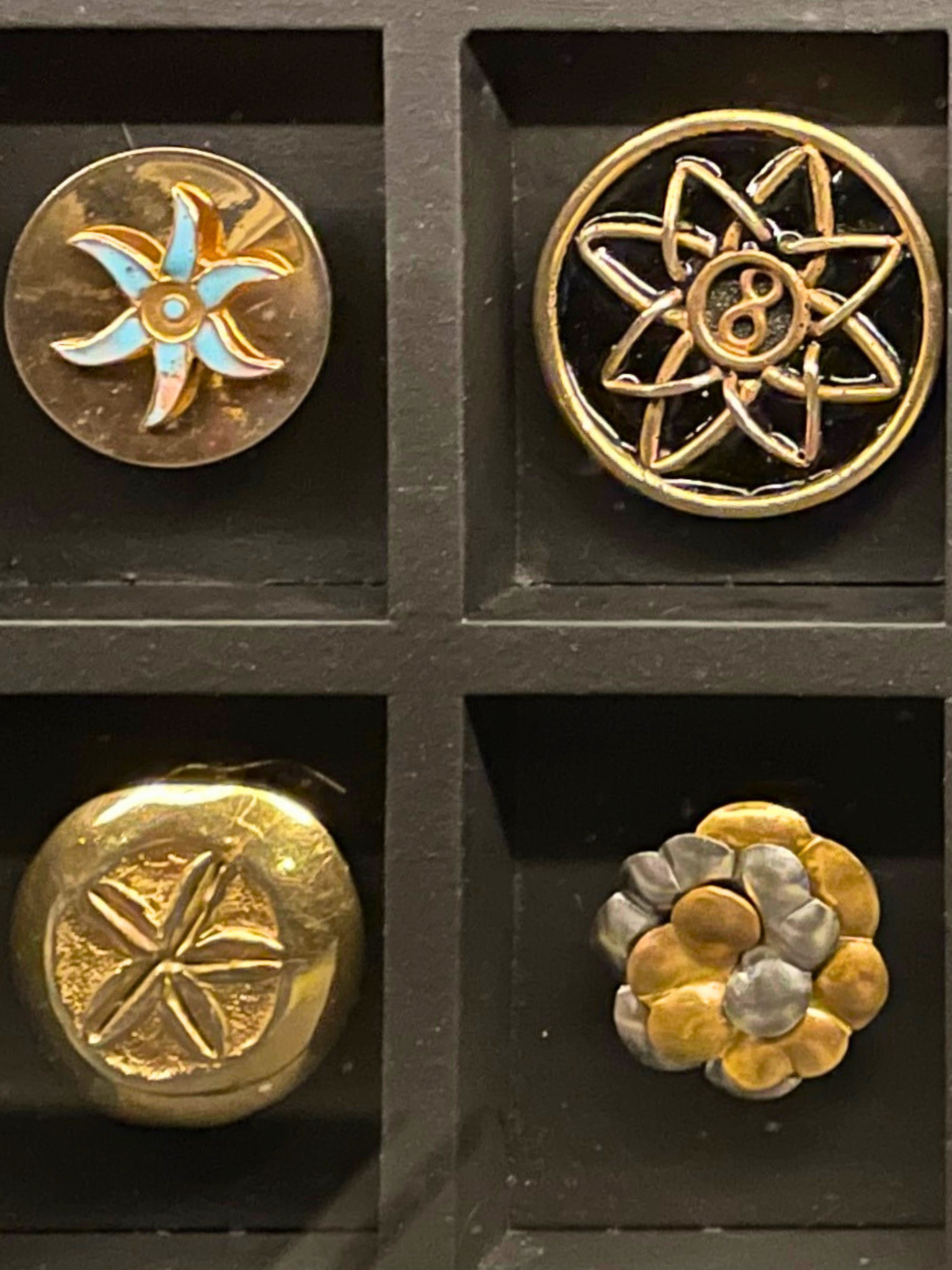
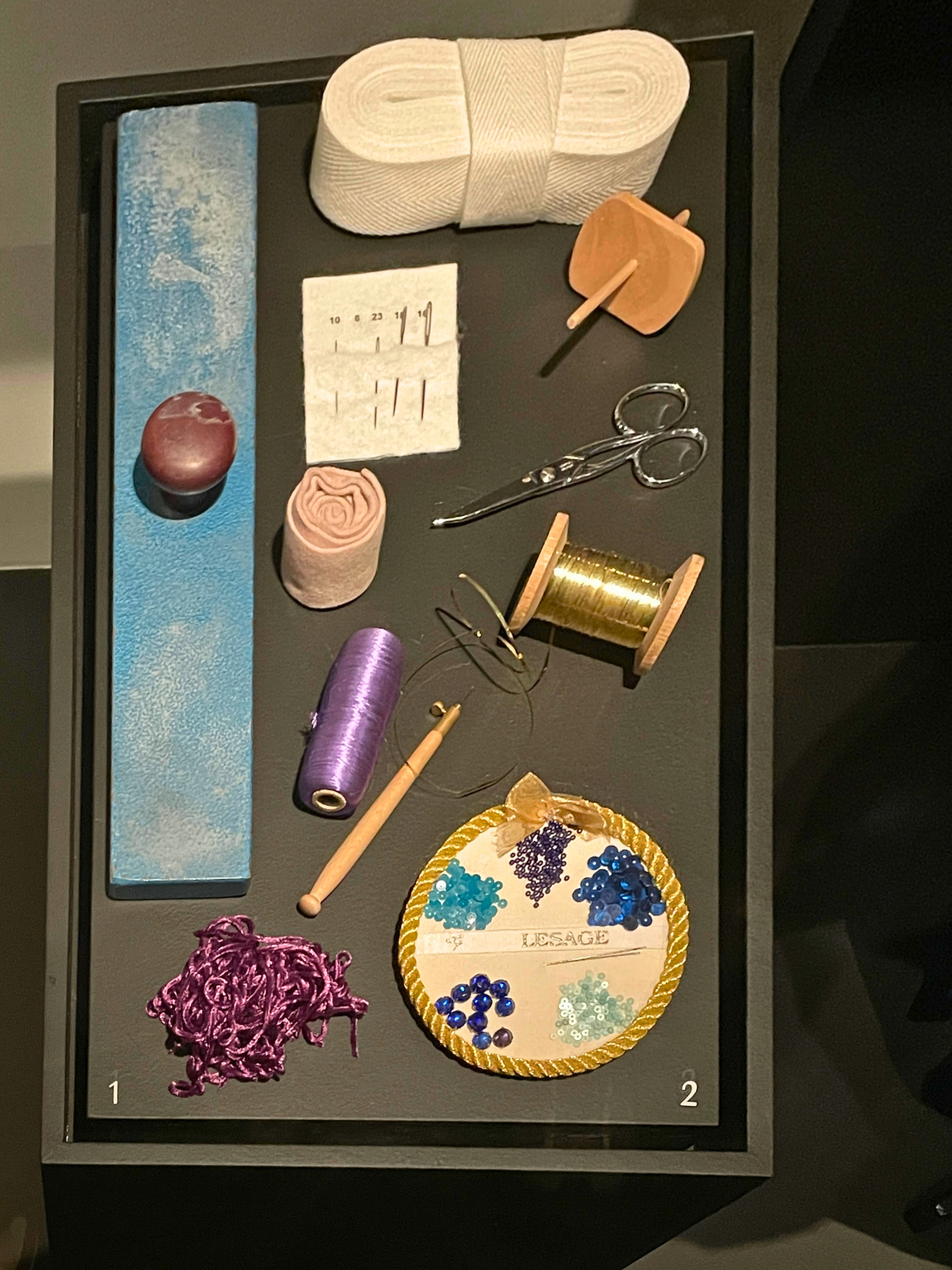
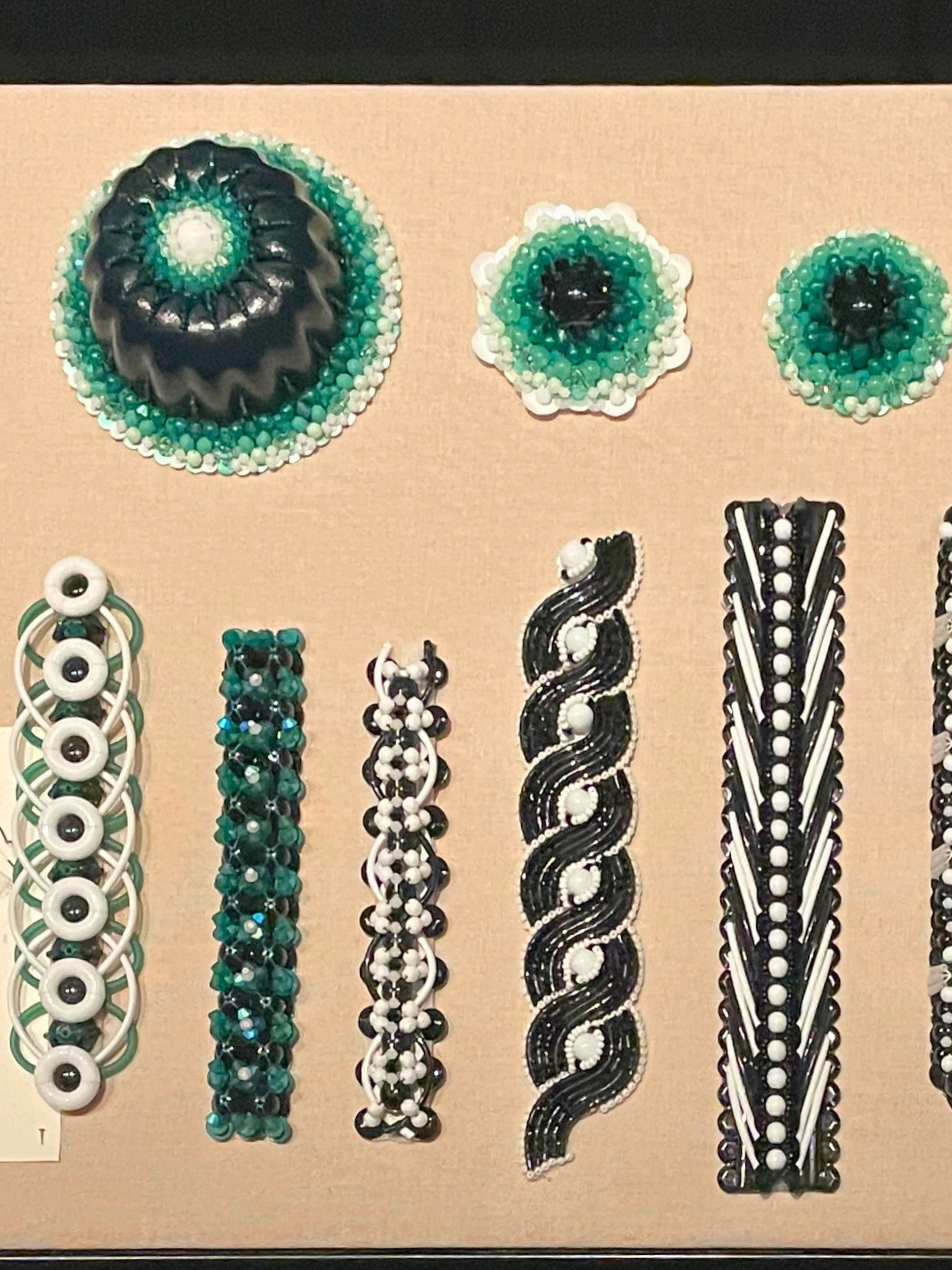
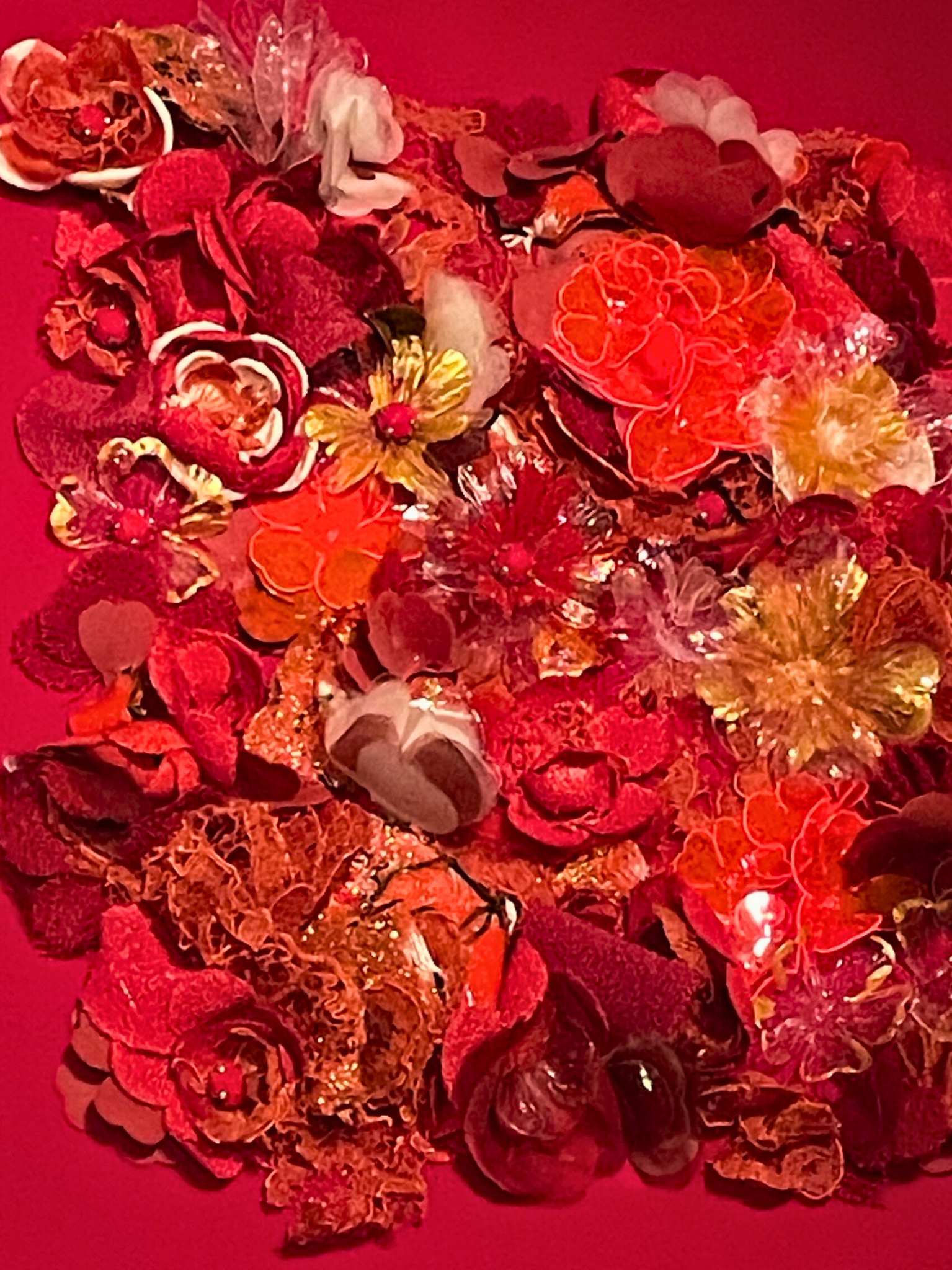
Take Gabrielle Chanel’s iconic camellia. More than a logo, it’s a tribute to the artistry of artificial flower makers (paruriers floraux). The camellia bridges nature and construction, the organic and the mechanical. By highlighting local supply houses—particularly those specializing in artificial flowers and feathers—the exhibition presents Paris not just as a luxury shopping destination, but as a living laboratory of innovation. It’s this blend of handwork and technical skill that continues to define Paris as the fashion capital of the world, not only historically, but still today, as new houses revive and reinterpret these traditions.
In an age of digital speed and disposable trends, the floral motif feels like a quiet reminder of slower rhythms—of nature, patience, and craft. The next time you reach for a floral piece in your wardrobe, this exhibition invites you to look again. Notice the stitching, the texture, the silhouette. Ask yourself: is it just a flower, or is it a fragment of a centuries-old craft?