
Monet's Centenary: Gardening at Giverny
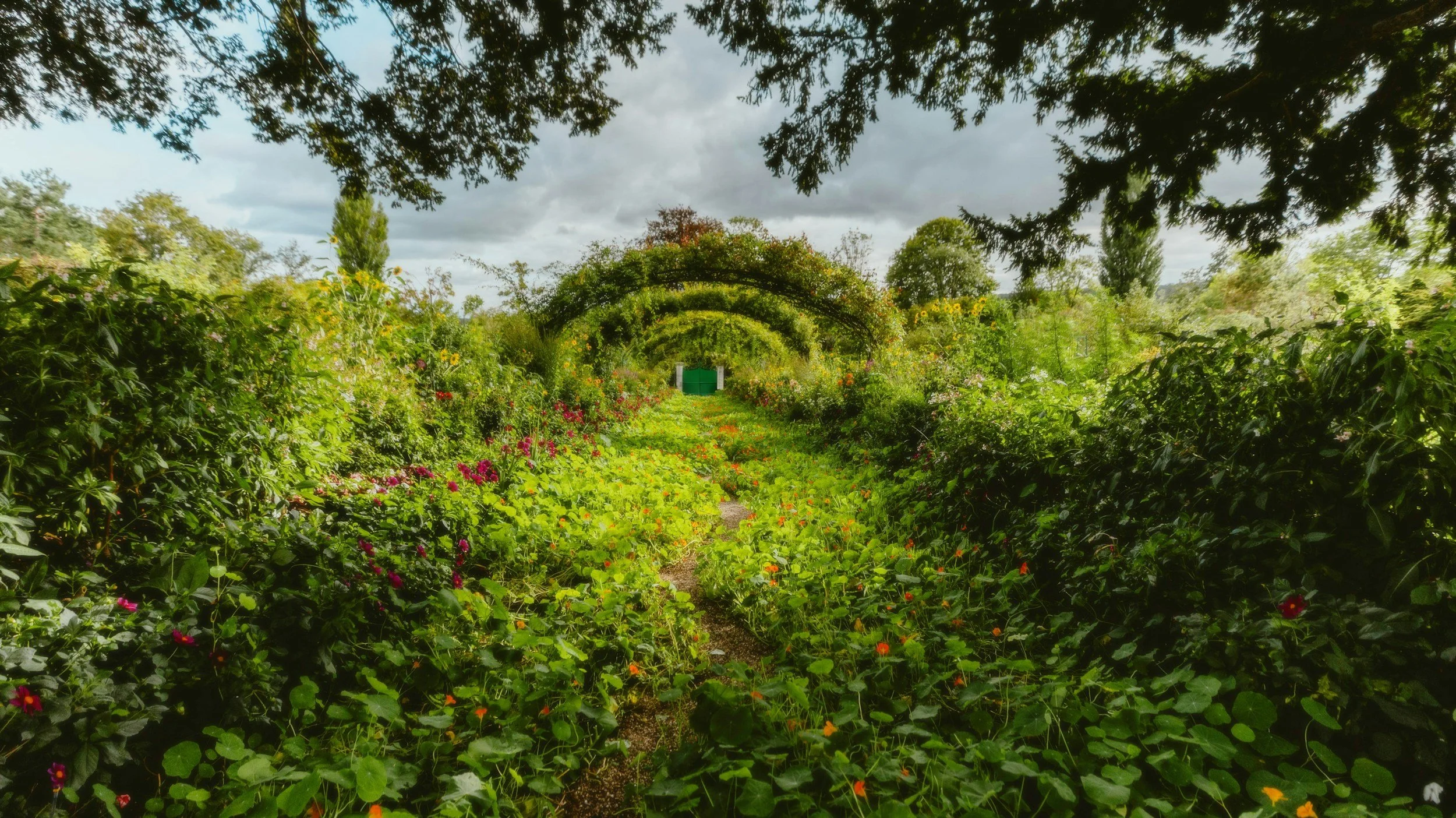
When Claude Monet died at Giverny in December 1926, he left behind two inseparable masterpieces: a body of paintings, and the garden that made them possible. For Monet, the two were never distinct — the garden was the studio, and the studio was the garden. This centenary year, exhibitions across Paris and Normandy celebrate not only one of the founders of Impressionism, but a visionary gardener whose devotion to plants rivaled his dedication to the canvas.
Finding Giverny
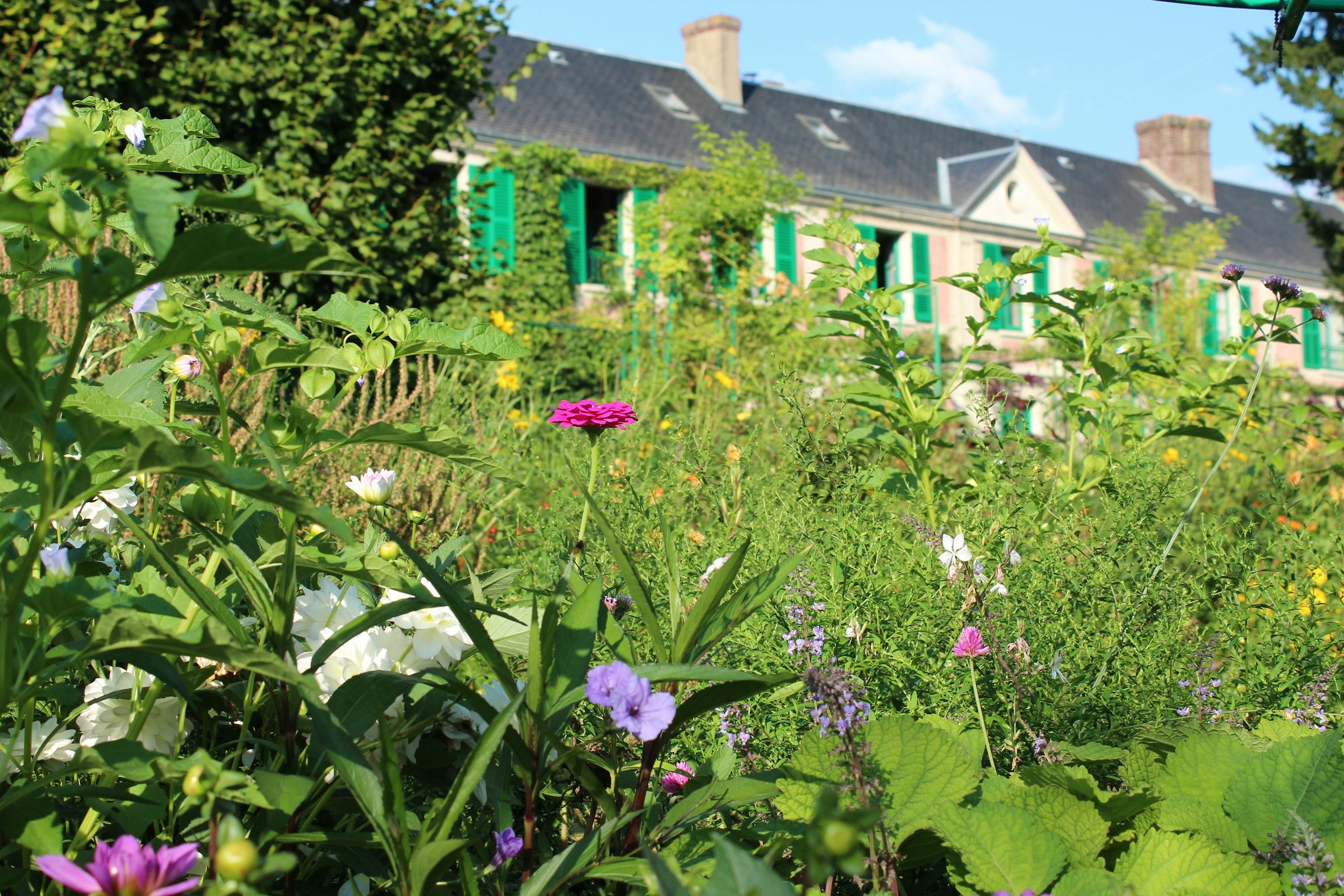
When Monet settled at Giverny in 1883 at the age of forty-six, he was not yet the celebrated master we know today. Traveling by train from Paris, he spotted the property from the window — drawn not by romantic inspiration, but by something far more practical: a kitchen garden, a chicken coop, and orchards capable of feeding his large family. He was still building his reputation, still dependent on the generosity of his dealer Paul Durand-Ruel. What he found at Giverny, however, would become something far greater than a home.
Over the following decades, Monet invested a fortune in his gardens. He built heated greenhouses. He hired a dedicated team of gardeners. He orchestrated the flower beds as carefully as a painter arranges a palette — each plot a study in color, each season a new composition.
The Garden as Living Palette
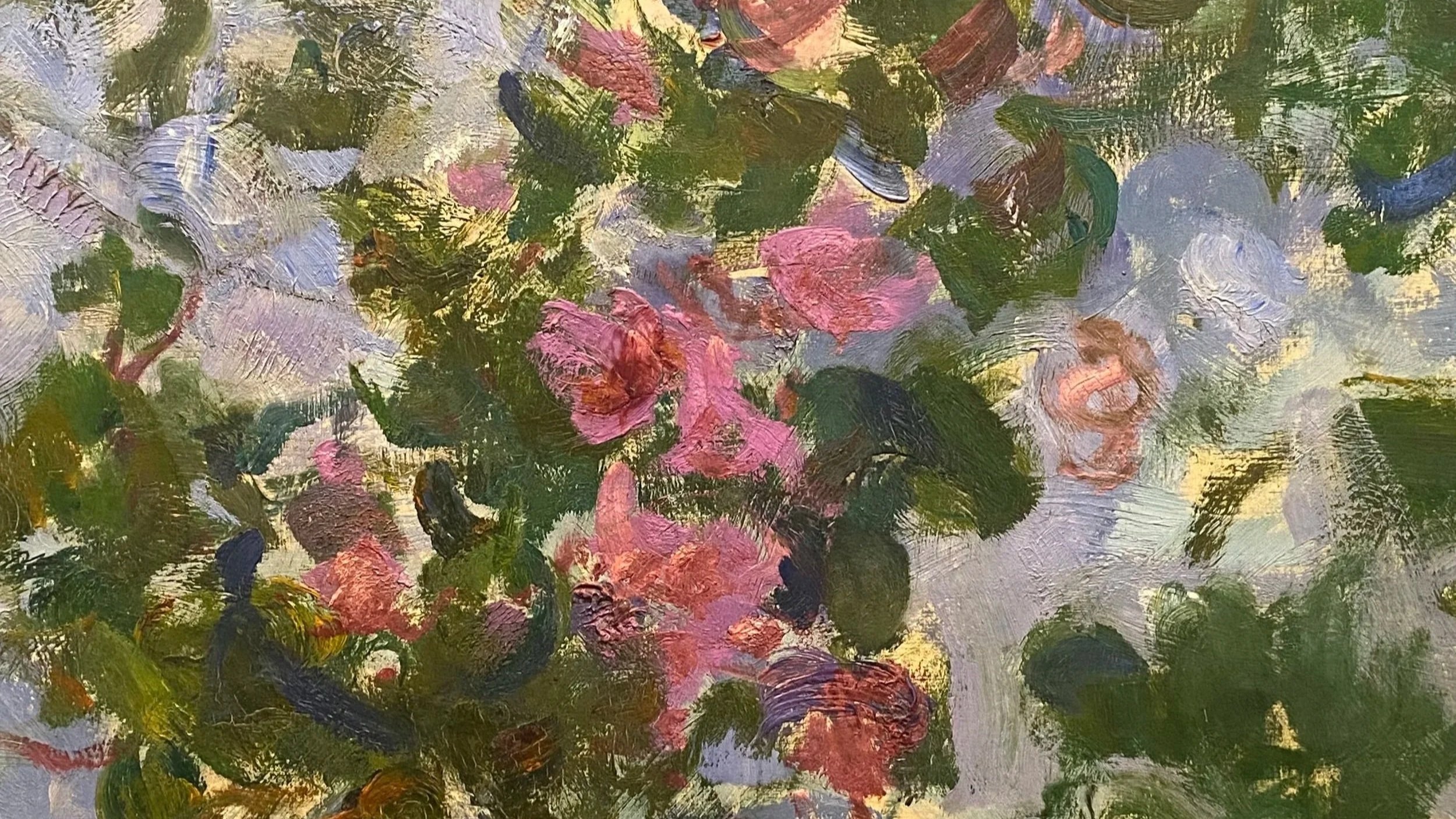
Horticulture was a fashionable pastime in nineteenth-century France, pursued by men and women of all social backgrounds. But for Monet, the garden was never a hobby. His flowers were as essential to him as his tubes of paint — and he spent accordingly. In 1893, he purchased a strip of land across the road and diverted a small stream to create what would become his most iconic subject: the water lily pond. Water lilies were a novelty in France at the time, having first been shown at the 1889 Universal Exhibition by a horticulturalist who had developed a remarkable new hybrid — the nymphea. Monet, famously, was far more interested in the plants floating in the ponds at Trocadéro than in the Eiffel Tower. He exchanged seeds and cuttings with fellow enthusiasts — among them the painter Gustave Caillebotte and the statesman Georges Clemenceau — all of them captivated by flowers, their colors, their fleeting forms, their resistance to easy representation.
At Giverny, Monet wanted to be engulfed by his colorful blooms. He kept a central path leading from his house, the Clos Normand, but trained flowers over archways that changed with the seasons. He densely planted every bed to capacity. The garden was conceived as a living color wheel: pale whites and yellows in early spring, deepening through pinks, crimsons and violets in summer, burning to oranges, reds and saffron with the dahlias, nasturtiums and poppies in autumn. There was no dead season at Giverny — Monet would not allow it.
Japanese Prints in 3D
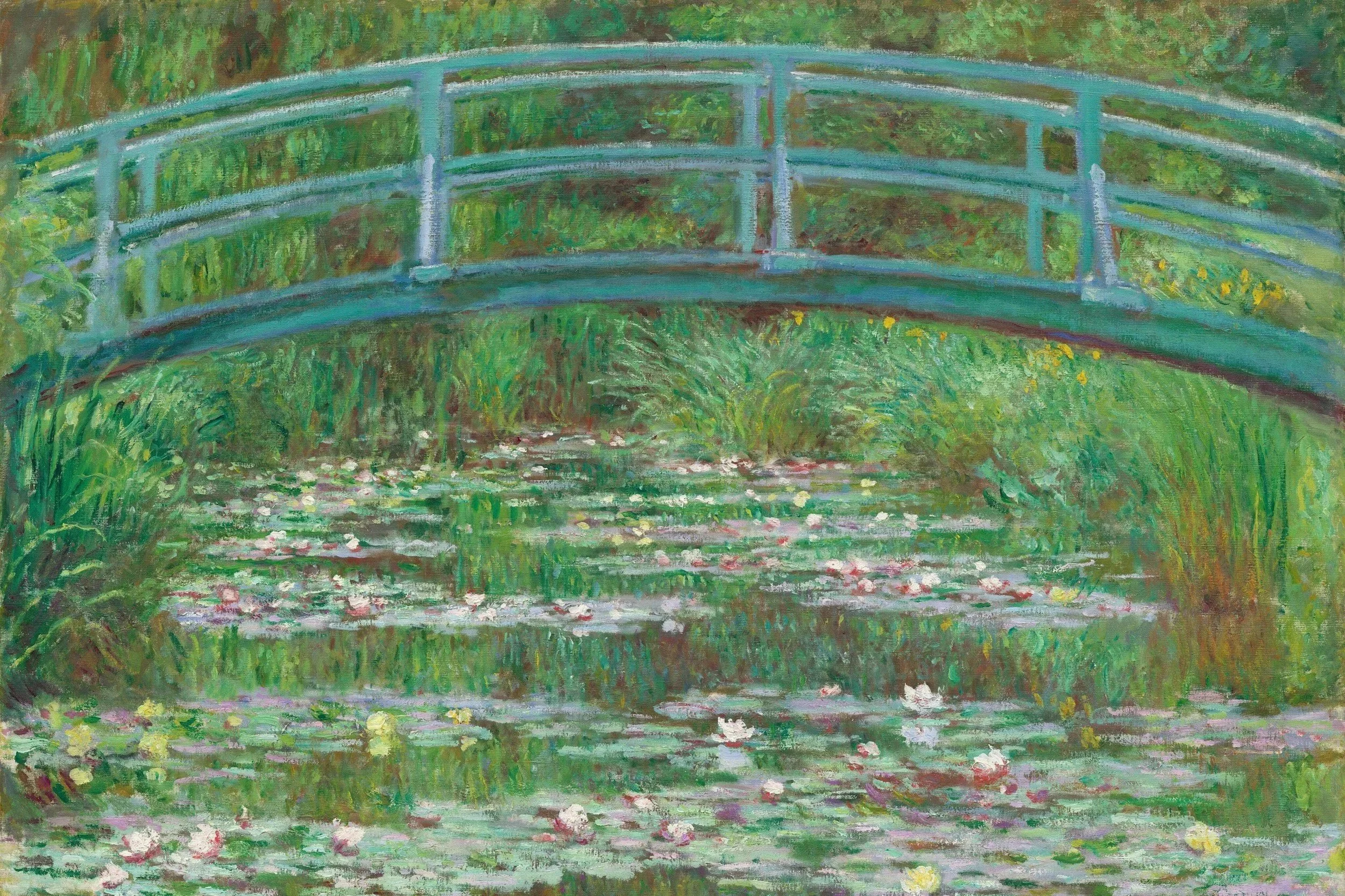
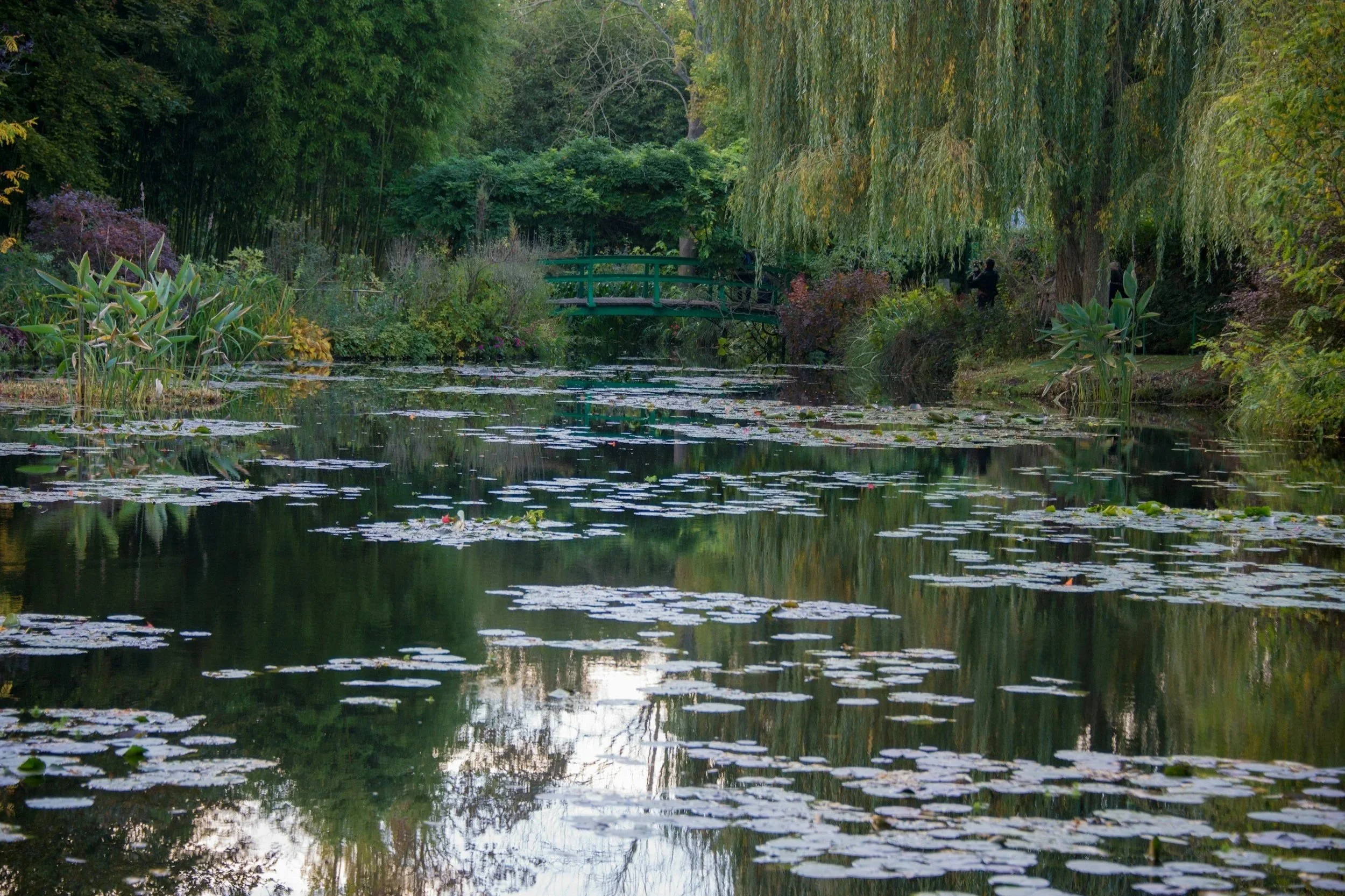
The water lily pond, shaded by weeping willows is crossed by the now-iconic Japanese bridge, inspired by his collection of Japanese prints that can still be seen in the house. The nymphea’s became an obsession at the end of Monet's life. From it emerged the monumental Grandes Décorations — the vast Nymphéas panels conceived as a gift to the French state in memory of the 1918 Armistice, now housed in the oval rooms of the Musée de l'Orangerie in Paris. Standing before them, it is almost impossible to say where the garden ends and the painting begins.
Monet's gardens were a living experiment in the art of seeing. Today's gardening teams follow his instructions, planting hardy varieties chosen to recall the master's palette as closely as possible. Visiting in any season, you are walking through a composition Monet spent forty years refining.
Planning a visit to Giverny this summer? We have curated a full-day itinerary — combining the house and gardens with the nearby Château de La Roche-Guyon and lunch at the historic Hôtel Baudy.